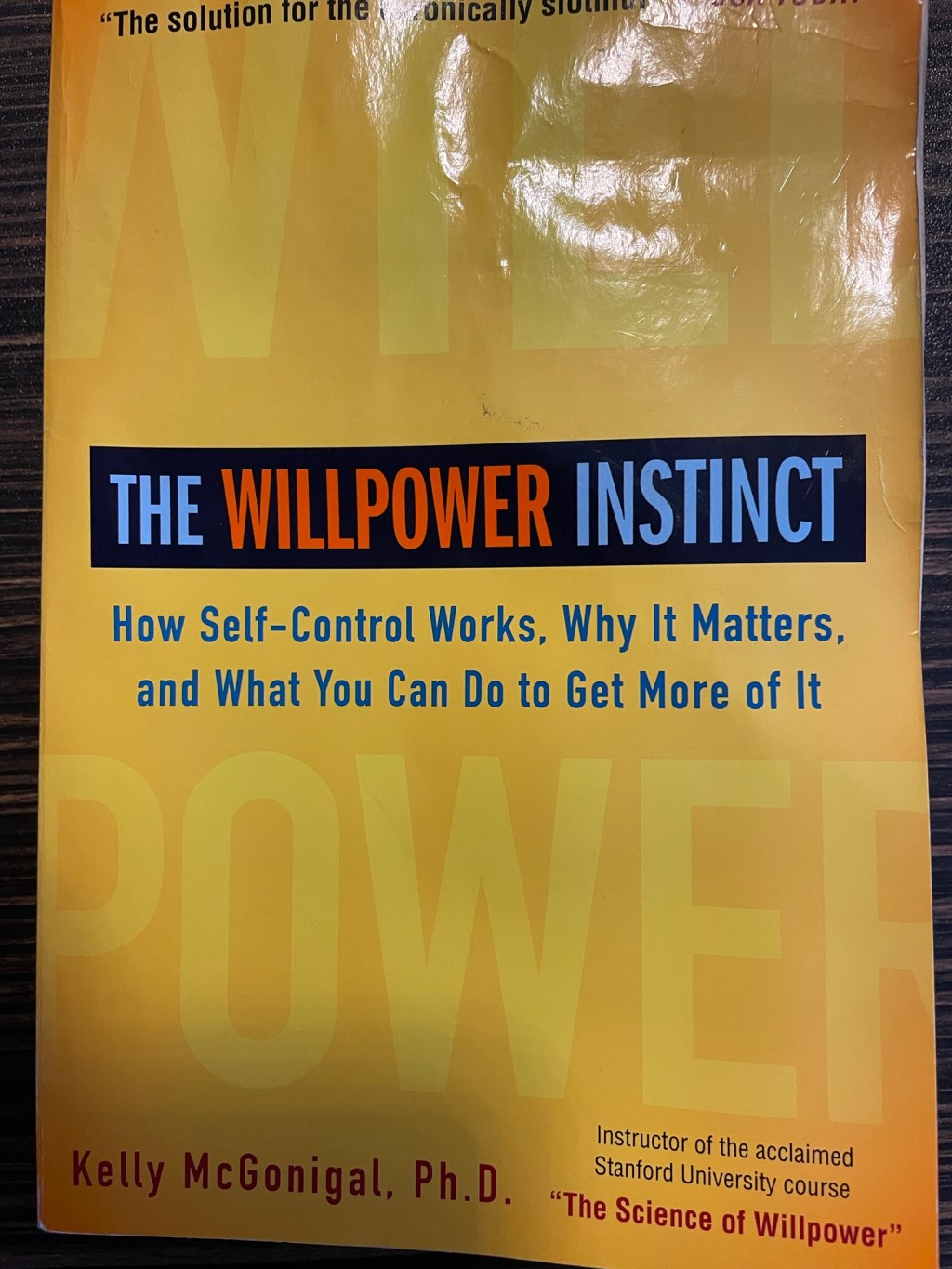
The Willpower Instinct by Kelly McGonigal is a practical and insightful guide to understanding willpower, backed by scientific research. McGonigal, a health psychologist and Stanford lecturer, explains that willpower is not just about sheer determination—it’s a biological function influenced by various factors like stress, sleep, and even how we think about our goals. By diving into the latest findings from psychology, neuroscience, and behavioral science, she demystifies why we sometimes fail at self-control and offers strategies to help us improve it.
The book is based on McGonigal’s popular course at Stanford, and it’s structured in a way that makes complex scientific ideas accessible and relatable. It centers around the concept that willpower is composed of three key elements: “I will” (doing what you should), “I won’t” (resisting temptation), and “I want” (keeping long-term goals in focus). McGonigal argues that willpower functions much like a muscle—it can be strengthened through practice but also fatigued when overworked. One of the key takeaways is that willpower isn’t just a matter of personal grit; it’s deeply connected to our physical and mental states.
Where the book really shines is in the actionable exercises provided at the end of each chapter. These exercises are designed to help readers implement the lessons in their daily lives. Here are a few examples:
- The “Willpower Challenge” – At the start of the book, McGonigal encourages readers to choose a specific willpower challenge they want to work on (e.g., quitting smoking, sticking to a workout routine, or resisting junk food). This becomes the focal point throughout the book as readers apply the techniques they learn.
- Mindfulness and Self-Control – One exercise focuses on increasing awareness of cravings and impulses. McGonigal suggests practicing mindfulness by simply noticing urges without acting on them right away. By taking a pause, readers can learn to differentiate between immediate temptations and their long-term goals.
- The “Ten-Minute Rule” – When faced with a temptation or distraction, McGonigal introduces the concept of delaying action for just ten minutes. This short delay often diminishes the intensity of cravings, giving you time to reconsider your decision with a clearer mind.
- Stress Management – McGonigal highlights how stress depletes willpower, and she includes exercises to reduce stress, like deep breathing and mindful meditation. These practices not only calm the mind but also restore the mental resources needed for self-control.
- Tracking Decisions – Another exercise involves tracking your decisions throughout the day to become more aware of “decision fatigue,” a concept that explains why making too many choices drains willpower. By being mindful of this, readers can prioritize important decisions and simplify less critical ones.
- Compassion for Failure – A unique and powerful exercise is learning how to forgive yourself after a willpower failure. Instead of beating yourself up, McGonigal suggests practicing self-compassion, which paradoxically helps you regain the motivation to get back on track.
Throughout the book, McGonigal blends these exercises with relatable stories and research, making it easy for readers to apply the concepts in real life. She emphasizes that strengthening willpower isn’t about being perfect; it’s about gradually building habits that support long-term success.
In summary, The Willpower Instinct is not just a theoretical exploration of self-control—it’s packed with practical tools to help you manage your impulses, stay focused on long-term goals, and overcome challenges. By understanding how willpower works and applying the exercises McGonigal suggests, readers can improve their self-discipline in a sustainable and compassionate way.
 REFLECTIONS ON LIFE AND WHAT IT MEANS TO LIVE FULLY...
Leave a comment