Reviewed by a coach-in-training
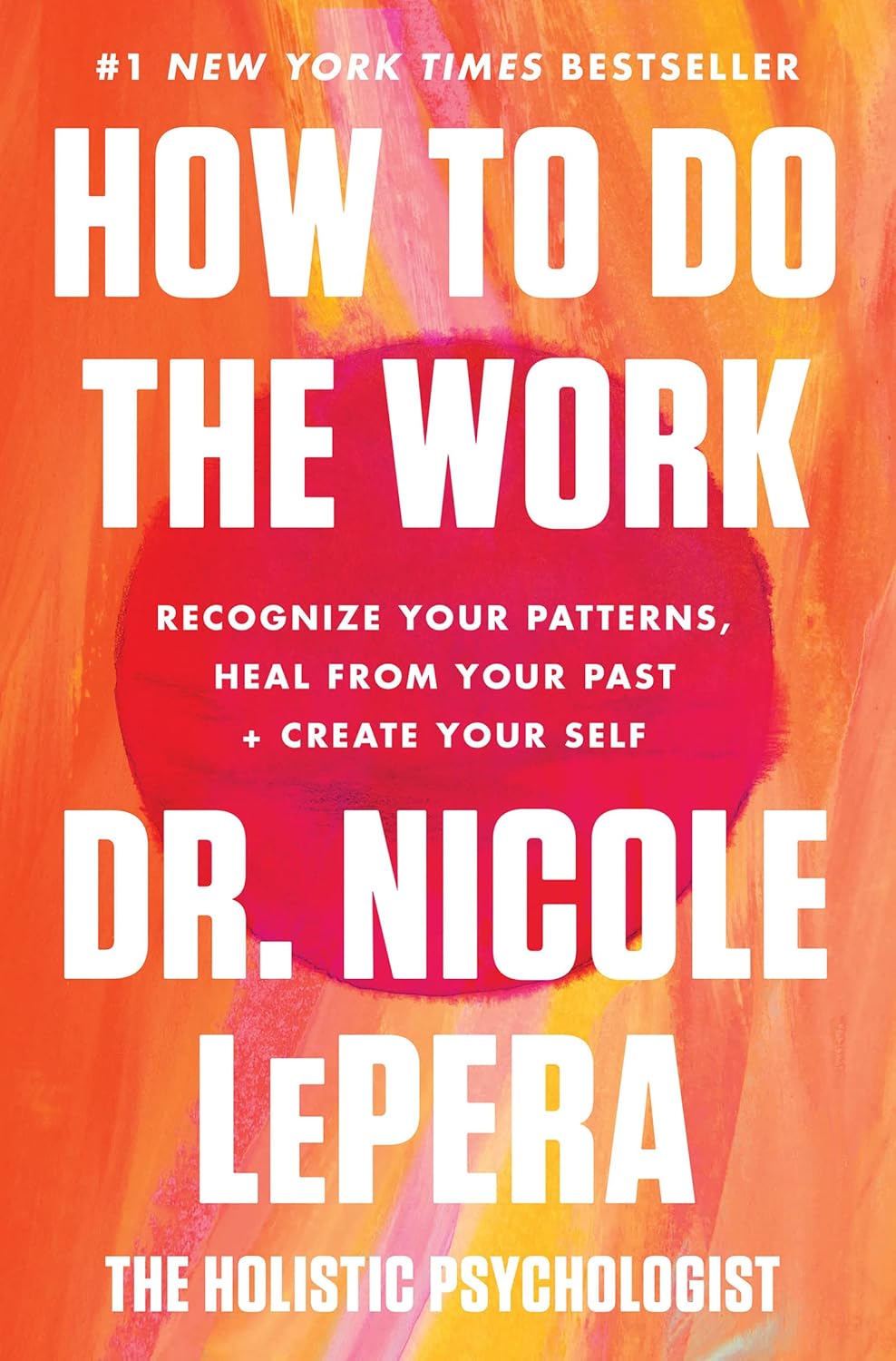
As someone training to become a coach — with a deep interest in how trauma shapes behavior, beliefs, and self-perception — this book was exactly the kind of resource I was looking for. Dr. Nicole LePera’s How to Do the Work is not just a guide to healing; it’s a powerful invitation to take full ownership of your inner world.
What stood out most to me is her central message: we can learn to become our own healers. For someone on a path to help others, that idea hit home. How can I hold space for others to grow if I haven’t faced my own patterns with curiosity and responsibility?
LePera lays out a framework that connects trauma to daily behaviors in a way that feels both accessible and profound. She explains how unresolved childhood wounds, nervous system dysregulation, and unconscious beliefs shape how we show up — in relationships, at work, and in how we treat ourselves. These are things I’ve been learning in theory as a coaching student, but her storytelling and real-life examples brought it alive.
As a coach-in-training, I also appreciated:
- Her clear language around the nervous system. It helped me connect physiological states (like shutdown or overdrive) with emotional patterns I see in myself and others.
- The emphasis on awareness as the first step. I’m learning that change isn’t about fixing — it’s about noticing, pausing, and choosing.
- Her concept of “reparenting.” It gave me a new lens for understanding how to help clients build internal safety and trust with themselves.
That said, the book is not without its limits. It simplifies complex trauma into frameworks that won’t replace clinical work — and it assumes a level of privilege (time, energy, safety) that not everyone has. But as a starting point, especially for coaches who want to work with everyday people facing invisible emotional blocks, it’s incredibly useful.
Most importantly, it reminded me that doing the work is a daily practice, not a one-time realization. It means learning to sit with discomfort, to set boundaries, and to lead ourselves before we try to lead others.
I’d recommend How to Do the Work to any coach-in-training who wants to understand trauma-informed growth without clinical jargon. It’s a human, honest, and empowering read — and it helped me reconnect to why I chose this path in the first place.
 REFLECTIONS ON LIFE AND WHAT IT MEANS TO LIVE FULLY...
Leave a comment