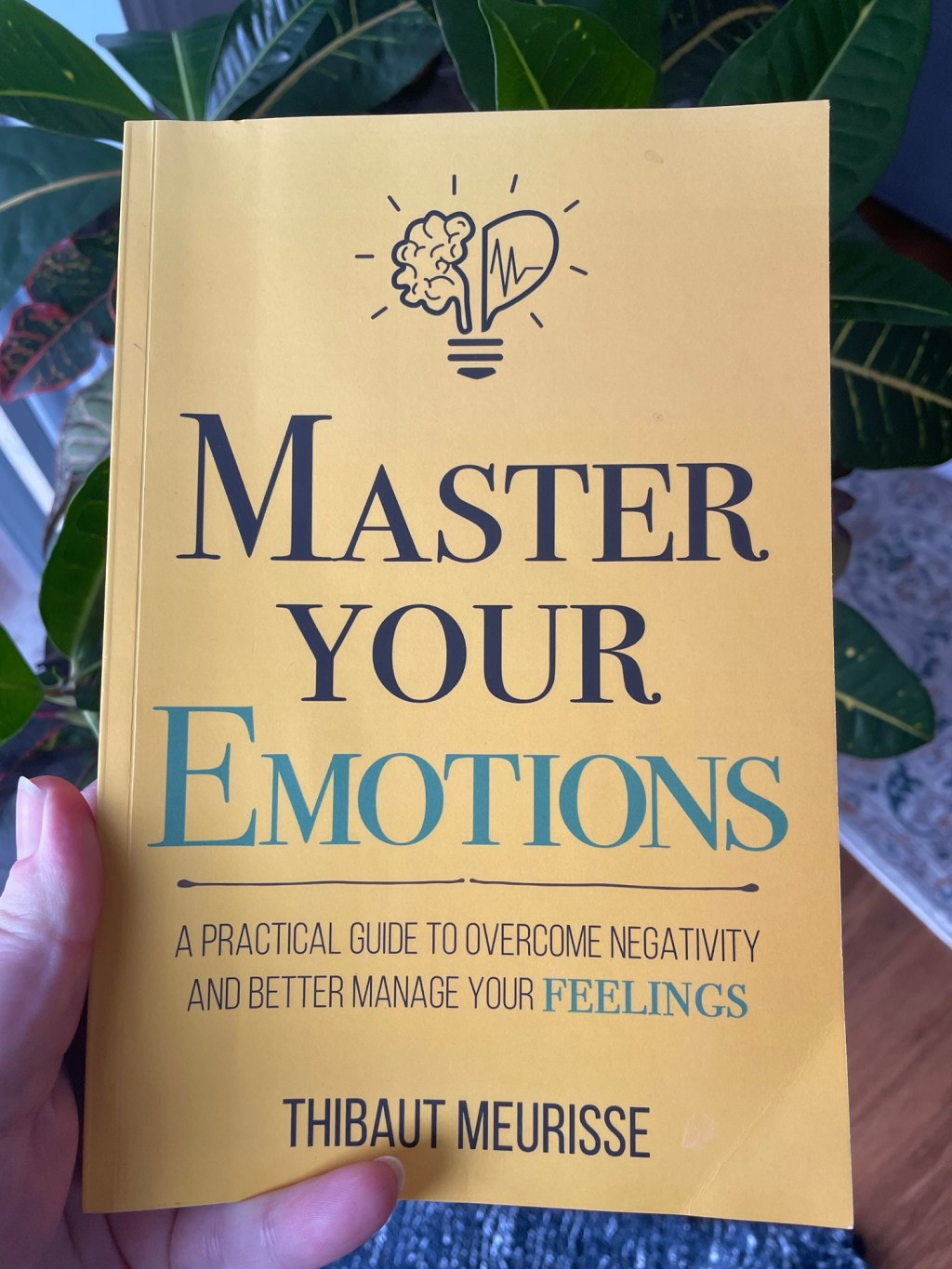
Book Review: Master Your Emotions by Thibaut Meurisse
Master Your Emotions by Thibaut Meurisse is a practical and straightforward guide to understanding and managing emotions, making it an ideal read for anyone looking to take control of their emotional well-being. In a world where stress, anxiety, and emotional overwhelm are all too common, this book offers clear, actionable strategies to help readers become more emotionally resilient and self-aware.
Negative emotions are not the problem; the mental suffering you create out of these emotions is.
What makes this book stand out is Meurisse’s accessible writing style. He breaks down complex emotional concepts in a way that’s easy to grasp, so even if you’re not deeply familiar with emotional intelligence or self-help literature, you can still follow along and benefit from his insights. His tone is supportive and non-judgmental, which makes the reader feel more comfortable confronting their emotional challenges.
At the heart of the book is the idea that emotions, while powerful, don’t have to control us. Meurisse walks readers through the process of recognizing and understanding their emotions—whether it’s anger, sadness, fear, or frustration—before diving into practical techniques to regulate them. One of the core messages that resonated with me was the importance of becoming aware of the stories we tell ourselves. Meurisse argues that our thoughts are often the primary drivers of our emotions, and by shifting our mindset and questioning our inner narratives, we can significantly reduce negative emotions.
Sleep, your body and how it feels, your thoughts and words, your breathing, the environment you are in: all this affects your emotions.
Meurisse emphasizes the importance of mindfulness and self-reflection, encouraging readers to slow down and pay attention to what they are feeling and why. He provides exercises to help readers build emotional awareness, such as journaling, mindfulness practices, and questioning techniques that challenge limiting beliefs. These tools are simple yet effective, making them easy to integrate into daily life.
One of the most practical sections of the book is where Meurisse discusses how to handle difficult emotions in the moment. He provides clear, step-by-step methods for processing emotions rather than suppressing or reacting impulsively to them. His advice on managing stress and cultivating emotional balance through positive habits—like exercise, meditation, and healthy routines—feels both grounded and achievable.
For me, Master Your Emotions was a reminder that emotional mastery doesn’t mean never feeling negative emotions; it means learning how to respond to them in a way that serves you rather than derails you. Meurisse’s approach is empowering because it gives readers the tools to regain control over their emotional state, allowing them to lead more balanced, fulfilling lives.
One potential criticism could be that some of the concepts in the book are familiar if you’ve read a lot of personal development material. However, Meurisse’s ability to distill these ideas into an easy-to-follow, step-by-step guide makes it an excellent resource for those new to the subject or those looking for a refresher.
Overall, Master Your Emotions is a great read for anyone seeking to improve their emotional intelligence and gain control over their feelings. It’s a practical, no-nonsense guide that empowers you to take responsibility for your emotions and, in turn, your life. Whether you’re struggling with emotional overwhelm or simply want to develop greater emotional resilience, this book provides the tools and insights you need to navigate life’s emotional ups and downs with more clarity and confidence.
 REFLECTIONS ON LIFE AND WHAT IT MEANS TO LIVE FULLY...
Leave a comment